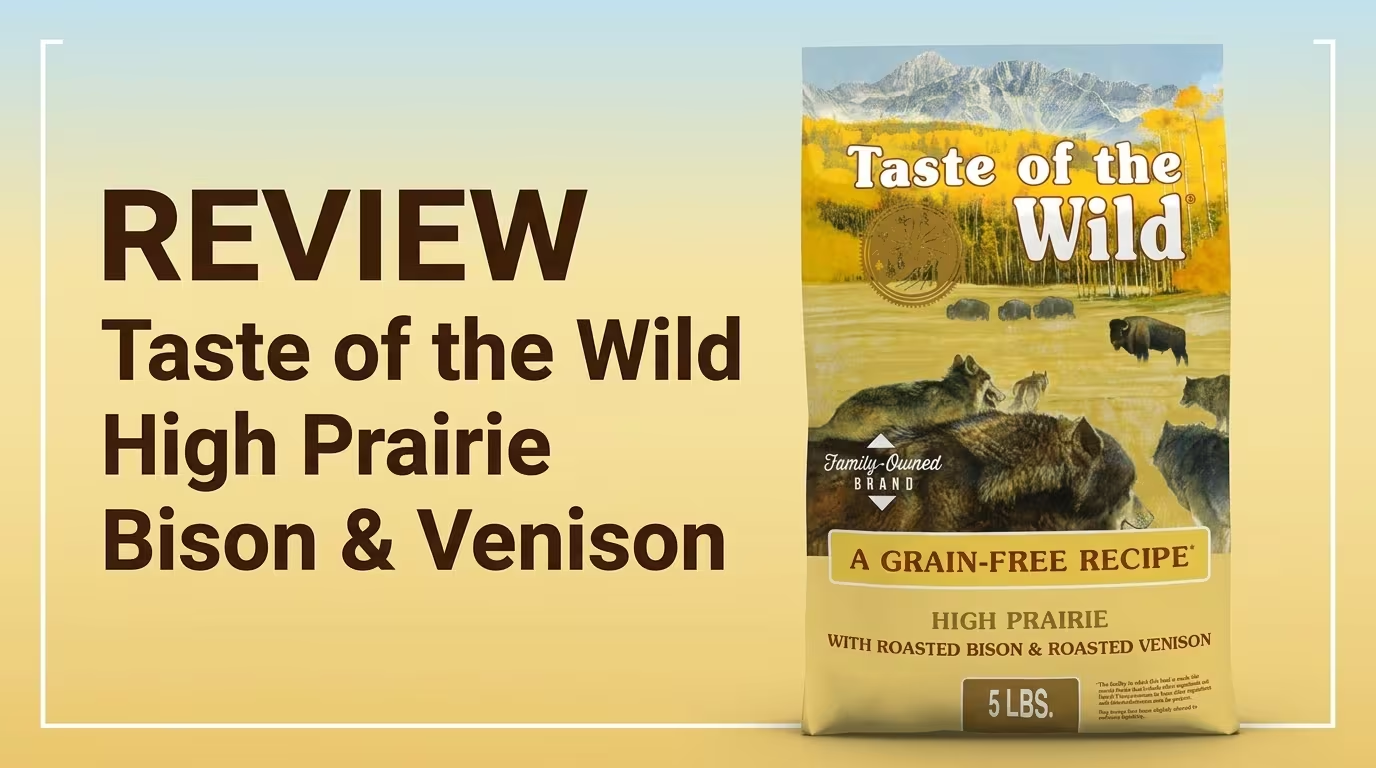
I’ve had a complicated relationship with Taste of the Wild over the years. On one hand, I’ve recommended it probably more than any other single dog food brand to people asking for affordable, decent-quality kibble. On the other hand, Diamond Pet Foods — the manufacturer — has had recalls in its history that made me cautious, and I’ve always wondered whether the “bison and venison” branding was more marketing than meat.
In early 2026, I decided to stop wondering and actually run a proper 30-day trial. I bought a 28 lb bag, set up my usual tracking protocol, and fed it to all three of my dogs. No mixing with other foods after transition, careful weight monitoring, weekly coat photographs, daily stool notes. The whole thing.
Here’s what I actually found — including the parts that surprised me in both directions.
Product Overview: Taste of the Wild High Prairie with Roasted Bison & Venison
Taste of the Wild is manufactured by Diamond Pet Foods in South Carolina, and the High Prairie formula is their signature product — the one that built the brand’s reputation. The concept is simple: novel proteins (bison and venison) that most dogs haven’t been previously exposed to, grain-free formulation, and a price point that competes with mid-tier mainstream brands while claiming premium-level ingredients.
Key Details:
- Brand: Taste of the Wild (Diamond Pet Foods)
- Formula: High Prairie with Roasted Bison & Venison
- Life Stage: Adult (all breeds, all sizes)
- Primary Proteins: Buffalo, lamb meal, chicken meal, roasted bison, roasted venison
- Available Sizes: 5 lb, 14 lb, 28 lb, 40 lb bags
- Price Range: $14–$62 depending on size (USA retail)
- Where to Buy: Chewy, Amazon, Petco, PetSmart, Tractor Supply, Walmart
Quick Verdict: Taste of the Wild High Prairie is genuinely one of the best values in dog food in 2026. Novel proteins, real results in coat and digestion, no artificial anything, and a price that undercuts most competitors delivering similar quality. The grain-free legume content is the ongoing concern worth discussing, and Diamond’s recall history is context worth knowing — but the food itself delivered solid results for all three of my dogs across a full month.
Meet My Three Testing Dogs
🐶 Sequoia — Chesapeake Bay Retriever, 4 Years Old, 72 lbs
Sequoia is my rugged, determined, slightly hard-headed working retriever who approaches everything in life with focused intensity. She’s built for cold water and difficult retrieves, and she has the energy demands of a serious working breed. Her dense, oily retriever coat is one of the most demanding in terms of nutritional support — it can look spectacular or terrible depending on what she’s eating. She’s never been on bison or venison before, making her a good sensitivity-test candidate for novel proteins.
🐶 Biscuit — Brussels Griffon, 5 Years Old, 9 lbs
Biscuit is my impossibly tiny, hilariously ugly-cute Griffon who carries himself with the confidence of a much larger dog and the personality of a small, bearded philosopher. He’s picky, he’s particular, and he’s had two previous food sensitivities that triggered facial itching. The novel protein approach — bison and venison instead of the chicken he’d previously reacted to — was a specific reason I included him in this trial.
🐶 Kodiak — Alaskan Malamute Mix, 6 Years Old, 88 lbs
Kodiak is my massive, thick-coated, profoundly stubborn working dog who has decided that cooperative behavior is optional and shedding is a year-round sport. He needs serious protein for his large frame and serious fat for his dense double coat. He’s generally healthy but has had periods of dry skin and excessive shedding that I’ve been trying to address nutritionally. If a food can improve Kodiak’s coat and shedding, it’s doing something right.
My 1-Month Experience — Day by Day Reality
Seven-day transition for all three dogs. Sequoia and Kodiak transitioned smoothly without any digestive upset. Biscuit — being Biscuit — required nine days because he decided the new food was Suspicious and Required Further Investigation before full commitment.
🐶 Sequoia — Chesapeake Bay Retriever
Energy Levels: Sequoia maintained her characteristically intense working-breed energy throughout the month. She was consistent and strong on our daily runs, her field training sessions were sharp, and she recovered well after strenuous activity. By week three, she seemed to have slightly better sustained stamina — she pushed harder toward the end of our longer sessions rather than pacing herself earlier. Subtle, but observable.
Digestion: After the transition, Sequoia’s digestion was excellent. Firm, well-formed stools, consistent twice-daily schedule, reduced volume compared to her previous food. The reduced stool volume is the detail I always watch — it tells me the food is being efficiently absorbed rather than just passing through. The novel proteins (bison, venison) agreed completely with her system.
Coat Condition: This is where I got genuinely excited. Chessie coats are oily, dense, and can look greasy or dull when nutrition isn’t supporting the sebaceous glands properly. By week three, Sequoia’s coat had transformed. The oily, slightly-dull look that characterized her previous weeks gave way to a glossier, more lustrous texture that was still appropriately waterproof but visibly healthier. I was brushing out noticeably less dead undercoat by week four. The omega-3 fatty acids from the salmon meal in the formula were clearly working.
Behavior: Same focused, slightly stubborn Sequoia. Nothing changed in temperament, which is what I expect from a well-nourished working dog.
Issues: None significant. One slightly softer stool on day eight (transition-adjacent) that resolved immediately.
🐶 Biscuit — Brussels Griffon
Appetite: Days one through nine of transition were a negotiation. Biscuit approached each bowl with skepticism, ate about 70% of his portion, and walked away to consider his options. By day ten, he committed fully — and by week three, he was approaching mealtimes with actual enthusiasm. Brussels Griffons are known for selective eating, and the fact that he came around is a positive sign about palatability.
Weight Changes: Biscuit started at 9.1 lbs and ended at 9.0 lbs. Essentially unchanged. For a tiny dog where 0.2 lbs is significant, this stability is ideal. The kibble is slightly large for a Griffon’s small mouth, and I crushed some pieces slightly, which helped him chew more comfortably.
Stool Quality: Good throughout weeks two through four. Week one had some adjustment-period inconsistency that resolved. His stools firmed up nicely and the volume was appropriate for a 9 lb dog.
Allergy Symptoms: This was the most important metric for Biscuit. He’d previously had facial itching on chicken-based foods, and I was watching carefully for any return of that symptom. Over 30 days on bison/venison as primary proteins — zero facial itching. Zero paw licking. Zero skin irritation. The novel protein approach appears to have been exactly what his system needed. That result alone makes this trial worthwhile for me personally.
Issues: The kibble size for a 9 lb dog with a tiny Griffon mouth is genuinely a bit much. I’d recommend the small dog formula (Taste of the Wild makes smaller kibble sizes in other formulas) for Biscuit long-term. But the nutrition itself? No complaints.
🐶 Kodiak — Alaskan Malamute Mix
Strength & Muscle Tone: Kodiak maintained his considerable bulk throughout the month. At 88 lbs with the dense muscle structure of a working sled breed, his body condition stayed consistent — lean, strong, no visible changes in either direction. The 32% protein was adequate for his needs.
Immunity & Overall Health: Healthy month for Kodiak. No ear issues, no skin infections, no digestive events. He’s a robust dog and he stayed that way.
Coat — The Big One: Kodiak’s coat was the most dramatic transformation of the trial. This is a dog who sheds year-round like he’s trying to fill a mattress. By week two, I started noticing the daily shed pile was smaller. By week three, it was significantly smaller. His thick outer coat developed a sheen I hadn’t seen in a while, and the double-coat texture felt denser and healthier when I ran my hands through it. My groomer commented at his month-end appointment that his undercoat seemed more conditioned than usual. That’s not nothing — especially for a dog who’s been a chronic shedder.
Activity: Consistent and appropriate. Kodiak does things at his own pace (which is “whenever he decides, not whenever I ask”), and that pace was maintained throughout the month. No energy changes in either direction.
Any Issues: Kodiak had slightly larger stool volume than I’d expect from an efficient food — not alarming, but suggesting that a dog his size might benefit from the 40 lb bag’s economics rather than consuming a 28 lb bag in just over two weeks. Also, the legume content (peas, sweet potatoes) is something I watch with any grain-free food given the DCM research. I discussed this with my vet — Malamutes aren’t a high-risk breed for DCM, but it’s context worth having.
Nutritional Information Breakdown
| Nutrient | Value | Ideal Range | Verdict |
|---|---|---|---|
| Crude Protein | 32% | 20–30% | ✅ Excellent — above ideal, high-quality sources |
| Crude Fat | 18% | 10–20% | ✅ Excellent — top of ideal range |
| Crude Fiber | 3% | 3–5% | ✅ Acceptable — lower end of ideal |
| Moisture | 10% | Up to 12% | ✅ Standard |
| Calories | ~370 kcal/cup | — | Moderate — appropriate for most adults |
What the Numbers Actually Mean:
32% protein is genuinely impressive and above the general “ideal range” for average adult dogs — which is a range built around average needs, not the needs of working dogs or larger breeds with significant muscle mass requirements. At 32%, and with the protein coming from buffalo, lamb meal, chicken meal, bison, and venison, the quality and variety of amino acids is excellent.
Fat at 18% is at the top of the ideal range — enough to deliver serious coat support (Kodiak’s transformation confirmed this) without being excessive for moderately active dogs. The caloric contribution of fat at this level is appropriate.
Fiber at 3% is the minimum of the acceptable range. Some dogs may need supplemental fiber for satiety — Biscuit showed this by being less satisfied between meals in the first week or two. Sweet potato and peas provide some additional dietary fiber beyond the crude measurement, so the effective fiber impact may be slightly higher.
Novel Protein Value:
The bison and venison positioning isn’t just marketing. For dogs with suspected chicken or beef sensitivities (like Biscuit), having access to a high-quality food built around proteins they haven’t previously been exposed to is genuinely valuable. The novel protein approach is real nutritional strategy, and Biscuit’s zero-reaction month validates it.
The DCM/Legume Question:
Taste of the Wild uses peas and sweet potatoes as primary carbohydrate sources. As of 2026, the FDA’s investigation into grain-free diets and DCM continues without a definitive causal link established. The legume presence (peas) is the relevant ingredient to watch. For most healthy adult dogs without breed predisposition to DCM, the current evidence doesn’t suggest this food poses acute cardiac risk — but it’s honest context that deserves mention.
Additives:
Dried chicory root (prebiotic), blueberries and raspberries (antioxidants), salmon oil (omega-3 fatty acids — directly contributed to the coat results), dried tomato pomace (fiber), vitamin and mineral package. No artificial colors, flavors, or preservatives. The additive profile is clean and functional.
Ingredient Analysis — Better Than the Price Suggests
Top 5 ingredients:
- Buffalo — Fresh buffalo as the first ingredient. Named, specific, novel protein. Contains water weight, but a high-quality starting point. Rating: Good-to-Premium.
- Lamb Meal — Concentrated, named lamb protein with moisture removed. A genuinely substantial protein contributor. Rating: Good.
- Chicken Meal — Concentrated chicken protein. Named and specific. Rating: Good.
- Sweet Potatoes — A quality carbohydrate source — lower glycemic index than many grains, nutritionally dense, gentle on digestion. Rating: Good.
- Peas — The carbohydrate/fiber source that raises the DCM discussion. Nutritionally acceptable, but the legume concern is worth noting. Rating: Average.
Further Down: Roasted bison, roasted venison, egg product, salmon oil, dried chicory root, blueberries, raspberries. The inclusion of actual roasted bison and venison (albeit further down the list) supports the brand’s novel protein claims beyond just buffalo at the top.
Overall Ingredient Quality Rating: Good. This is genuinely above-average ingredient quality for the price tier. Named proteins, quality carbohydrate sources, salmon oil, real fruits as antioxidants. The peas and the recall history (Diamond has had past quality control issues, though not recently) are the caveats that prevent a “Premium” rating. But as a budget-to-mid-tier food, Taste of the Wild’s ingredient quality punches well above its weight class.
Pros & Cons — 30 Days of Real Observation
✅ Pros
- Novel proteins (bison, venison, buffalo) — real and validated by Biscuit’s zero-sensitivity month
- 32% protein from named, diverse animal sources
- Outstanding value — arguably the best price-to-quality ratio of any food I’ve reviewed
- Kodiak’s coat transformed — reduced shedding, improved texture and sheen
- Sequoia’s coat improved — glossier, healthier looking, better brush-out results
- Biscuit’s chicken sensitivity symptoms disappeared entirely on novel proteins
- No artificial colors, flavors, or preservatives
- Salmon oil inclusion — direct contributor to observed coat improvements
- Real fruits (blueberries, raspberries) as antioxidant sources
- Widely available at mainstream and specialty retailers
- Prebiotics included (dried chicory root) for digestive support
❌ Cons
- Grain-free with legume-based carbs — peas are present; DCM conversation applies
- Diamond Pet Foods has historical recalls (most recently 2012, not recent, but worth knowing)
- Fiber at only 3% — some dogs may feel less satiated; Biscuit showed this early on
- Kibble too large for very small breeds — problematic for Biscuit specifically
- Sweet potato and pea carbohydrates are fine but less premium than whole ancient grains
- Stool volume on Kodiak was slightly high — could indicate slightly less-than-optimal absorption at his size
Price Breakdown (USA — All Prices in $)
| Bag Size | Approximate Price | Price Per Pound | Price Per Kg |
|---|---|---|---|
| 5 lb | $14–$18 | ~$3.20/lb | ~$7.05/kg |
| 14 lb | $28–$34 | ~$2.21/lb | ~$4.87/kg |
| 28 lb | $46–$54 | ~$1.79/lb | ~$3.95/kg |
| 40 lb | $58–$68 | ~$1.57/lb | ~$3.46/kg |
Prices based on Chewy, Amazon, PetSmart, Tractor Supply as of early 2026. Frequent sales at major retailers.
Monthly Cost Estimates:
At ~370 kcal/cup, portioning is moderate:
- Small dog (Biscuit, ~9 lbs): ~½ cup/day → 14 lb bag lasts ~4+ weeks → ~$28–$34/month
- Medium-large dog (Sequoia, ~72 lbs): ~3 cups/day → 40 lb bag lasts ~4 weeks → ~$58–$68/month
- Large dog (Kodiak, ~88 lbs): ~3.5–4 cups/day → 40 lb bag lasts ~3.5 weeks → ~$66–$78/month
Value for Money Verdict: This is where Taste of the Wild genuinely earns its long-standing reputation. For Kodiak, $66–$78/month for a food with 32% protein from novel protein sources, salmon oil, and real antioxidant fruits is outstanding value. Compare this to Acana Heritage at $80–$100+/month for similar protein quality, or Blue Buffalo Wilderness at $70–$85/month with pea protein and a less diverse protein roster.
For Biscuit and Sequoia, the monthly costs are even more manageable. This might be the single best value proposition in the premium-adjacent food category in 2026.
Comparison Table: Taste of the Wild vs. Competitors
| Feature | Taste of the Wild High Prairie | Royal Canin Medium Adult | Purina Pro Plan Chicken & Rice | Merrick Classic HG Beef & Rice | Blue Buffalo Wilderness |
|---|---|---|---|---|---|
| Protein % | 32% | 27% | 30% | 27% | 34% |
| Fat % | 18% | 17% | 16% | 17% | 15% |
| Fiber % | 3% | 1.3% | 3% | 4% | 6% |
| Price (28–30 lb bag, $) | $46–$54 | $58–$68 | $52–$62 | $58–$68 | $64–$75 |
| Primary Novel Protein | Bison/Venison | Poultry | Chicken | Beef | Turkey/Chicken |
| Grain-Free | Yes | No | No | No | Yes |
| Contains Pea Protein | Yes | No | No | No | Yes (heavy) |
| Salmon Oil | Yes | No | No | Yes | No |
| Recall History (Diamond) | 2012 (not recent) | None notable | Purina (not Diamond) | Merrick (limited) | Blue Buffalo (limited) |
| Best For | Budget-premium, novel protein needs, value | Breed-specific | Performance/active | Grain-inclusive quality | Active dogs, grain-free |
| Rating (/10) | 8.1 | 7.2 | 7.9 | 8.4 | 7.6 |
Where Taste of the Wild Stands:
Is Taste of the Wild good for dogs? Based on my 30-day trial with three different dogs — genuinely yes. Among the best dog food in USA 2026 in the affordable premium category, Taste of the Wild High Prairie competes at a price point below its quality level.
The comparison with Blue Buffalo Wilderness is particularly relevant — both are grain-free, both use novel proteins, both are in the same market tier. Taste of the Wild has higher protein, better fat content, a real salmon oil source, and costs $15–$25 less per bag. Blue Buffalo has better name recognition and no recall history. Your priorities dictate the winner, but nutritionally, Taste of the Wild holds its own.
Final Rating: 8.1 / 10
| Category | Score (/10) |
|---|---|
| Ingredient Quality | 8.0 |
| Nutritional Profile | 8.5 |
| Novel Protein Value | 9.0 |
| Digestive Performance | 8.0 |
| Coat & Skin Health | 9.0 |
| Value for Money | 9.5 |
| DCM Safety Consideration | 7.0 |
| Overall | 8.1 |
Verdict: Good-to-Very Good — The Best Value Premium-Adjacent Dog Food in 2026
Taste of the Wild High Prairie delivered real results for real dogs over a real month. Biscuit’s sensitivity symptoms disappeared completely on novel proteins. Kodiak’s coat transformed enough for groomer validation. Sequoia’s Chessie coat glowed. All three had solid digestion after the transition period. And the monthly cost for all of this was dramatically lower than comparable premium options.
The grain-free legume concern is real context that I won’t pretend doesn’t exist, and Diamond’s recall history is something informed buyers deserve to know. But based on current evidence and actual results, this food deserves its strong reputation.
Would I Buy It Again?
Yes — for all three dogs.
Biscuit’s sensitivity resolution sealed it. That’s not a small thing after years of managing his facial itching on chicken-based foods. Kodiak stays on it because the coat improvement was real and his shedding reduction has genuinely improved my quality of life (fewer hairballs from the couch is a legitimate quality-of-life win). Sequoia transitions to this as her primary food because the working-breed performance support was everything I needed.
8.1/10. If you’ve been wondering whether Taste of the Wild’s reputation is deserved — based on my trial, it is.
Who Should Buy Taste of the Wild High Prairie?
Ideal for:
- Dogs with suspected chicken or common protein sensitivities — the novel bison/venison proteins are genuinely effective for sensitivity management
- Budget-conscious owners who want premium-adjacent quality — this is the best price-to-quality ratio I’ve reviewed
- Dogs with coat-demanding breeds — the salmon oil inclusion and protein/fat profile delivered excellent results
- Active adult dogs — 32% protein and 18% fat support performance and recovery
- Multi-dog households where per-dog monthly cost matters
- First-time premium buyers stepping up from mainstream brands — this is accessible, available everywhere, and genuinely better
Not ideal for:
- Breeds with DCM predisposition (Dobermans, certain retrievers) without vet guidance on grain-free diets
- Very small breed dogs — the standard kibble size is too large; look for Taste of the Wild’s small breed formulas
File size
- Owners with strict quality-control anxiety about Diamond Pet Foods’ recall history (even if not recent)
- Dogs who need grain-inclusive diets per vet recommendation
- Ultra-premium buyers who want Orijen/Acana/Farmina-level ingredient prestige — this doesn’t compete there
My Final Thoughts
Twelve years of feeding dogs has given me a healthy skepticism about brand reputations. Some brands coast on history. Some earn their rating every year. Taste of the Wild High Prairie, based on this 2026 trial, still earns it.
The novel proteins are real. The coat results were real. Biscuit’s sensitivity relief was real. And the price tag is real in the best possible way — genuinely quality nutrition at a cost that doesn’t require monthly financial sacrifice.
If someone asks me what to feed their dog and budget matters — which it does for most people — this is the answer I’ve been giving for years, and this trial confirmed why.
8.1 out of 10. Buy it. Your dog’s coat will probably thank you by shedding slightly less on your furniture.