
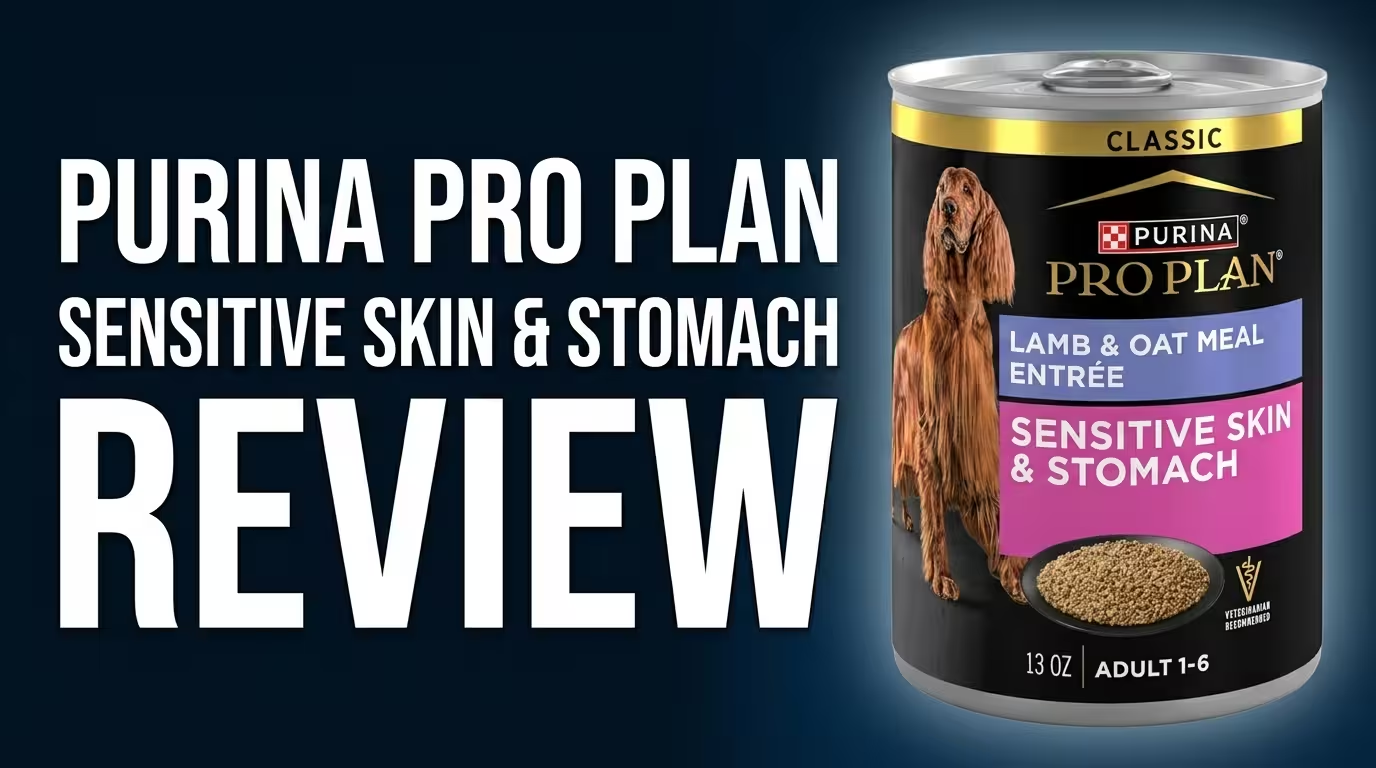
Sensitive skin and stomach issues in dogs are something I’ve dealt with personally for years, and honestly, it never gets less frustrating. You find a food that seems to be working, and then six weeks later your dog is scratching again or having loose stools every other day, and you’re back to square one trying to figure out whether it’s the food, seasonal allergies, environmental triggers, or just your dog being difficult.
So when I decided to test Purina Pro Plan Sensitive Skin & Stomach Lamb & Oat Meal in early 2026, I had a specific motivation. Two of my three dogs have documented sensitivity histories, and I wanted to see how this formula — specifically designed and marketed for sensitive dogs — actually performed under real conditions. Not in a controlled lab. In my actual house, with my actual dogs, over an actual month.
Here’s what thirty days of careful observation produced.
Product Overview: Purina Pro Plan Sensitive Skin & Stomach Lamb & Oat Meal
Purina Pro Plan’s Sensitive Skin & Stomach line is part of their specialized diet range — formulas engineered for adult dogs who don’t tolerate standard foods well. The Lamb & Oat Meal formula specifically avoids the common protein allergens (chicken and beef) in favor of lamb, which is less frequently associated with canine food sensitivities.
This is a grain-inclusive formula. The oat meal serves as the primary carbohydrate, chosen for its reputation as one of the gentlest grains for canine digestion. It’s also free from corn, wheat, and soy — three of the most common dietary allergens in dogs.
Key Details:
- Brand: Purina Pro Plan (Nestlé Purina)
- Formula: Sensitive Skin & Stomach, Lamb & Oat Meal Recipe
- Life Stage: Adult (1+ years)
- Target: Dogs with sensitive skin and/or digestive systems
- Primary Protein: Lamb
- Available Sizes: 4 lb, 16 lb, 30 lb bags
- Price Range: $16–$62 depending on size (USA retail)
- Where to Buy: Chewy, Amazon, PetSmart, Petco, Walmart
Quick Verdict: This is genuinely one of the better sensitive-formula dog foods I’ve tested. The lamb and oat meal combination worked remarkably well for two of my three dogs, including one with a documented chicken sensitivity. Skin and digestion improved visibly. The price is fair for a specialized formula. The ingredient list isn’t perfect, but it’s significantly better than most “sensitive” foods at this price point.
My Three Test Dogs — Chosen Specifically for This Trial
I didn’t just use my three most convenient dogs for this trial. I chose three dogs with specific profiles that would genuinely stress-test a sensitive formula.
🐶 Willow — Soft-Coated Wheaten Terrier, 5 Years Old, 35 lbs
Willow is my curly, silky-soft, food-motivated sweetheart who has been battling food sensitivities for almost two years. Her primary documented sensitivity is to chicken — she develops dry, flaky skin and frequent ear irritation when chicken-based proteins are in her diet. Finding a protein source she tolerates has been one of my ongoing challenges. She’s been on a limited-ingredient chicken-free diet for eight months, and I wanted to see how she transitioned to this lamb formula.
🐶 Cosmo — French Bulldog, 4 Years Old, 28 lbs
Cosmo is my snorting, waddling, perpetually dramatic Frenchie who has the digestive system of a Victorian aristocrat — easily offended by anything impure. French Bulldogs as a breed are notorious for sensitive stomachs, gas, and skin fold irritation, and Cosmo has hit the trifecta of all three at various points. He’s been on a relatively stable diet for the past six months, but anything outside his approved foods sends him into digestive chaos. Testing a new food on Cosmo is always an adventure.
🐶 Cedar — Plott Hound, 6 Years Old, 65 lbs
Cedar is my lean, athletic, dignified hunting breed who is the opposite of sensitive — he’s got a stomach that can handle anything and skin that’s never given me a day of trouble. I included him intentionally as my “control” dog. I wanted to see how a sensitive-formula performed on a dog who doesn’t need it, because this tells you whether it’s providing adequate nutrition or just limiting potential allergens at the cost of overall nutritional quality.
My 1-Month Experience — The Three-Dog Verdict
I did a careful seven-day transition for all three dogs. Given Willow’s and Cosmo’s histories, I went particularly slowly — five days at 50/50, then two days at 75% Pro Plan before fully switching. No one had transition-related issues, which was a hopeful sign.
🐶 Willow — Soft-Coated Wheaten Terrier
Energy Levels: Willow maintained her characteristically enthusiastic energy throughout the month. Wheaten Terriers are perpetually lively, and she was no exception — demanding walks, play sessions, and general household participation at the same frequency as always. No energy dips, no sluggishness. The lamb protein clearly provided adequate fuel.
Digestion: This was the headline result for Willow. Her digestion, which has historically been inconsistent (too soft on some foods, unpredictable timing on others), settled into the most consistent pattern I’ve seen from her in two years. Firm, well-formed stools, consistent morning and evening timing, zero gas incidents. By week two, I was genuinely impressed. The oat meal base seems to be genuinely gentler on her system than the rice or barley I’ve used in previous foods.
Coat Condition: By week three, Willow’s coat — which had been showing dry, slightly flaky patches — was visibly improving. The flakiness around her shoulders and neck was receding. Her curly coat started feeling softer and more hydrated, less like she was subtly dehydrated at a cellular level (that’s the only way I can describe it). The omega-6 fatty acids in the formula, combined with the absence of chicken protein that triggers her immune response, seemed to be letting her skin heal.
Skin Health: Willow’s ear irritation — which flares when she’s reacting to chicken — stayed completely calm throughout the entire month. No redness, no head-shaking, no increased wax buildup. This is the longest stretch without ear issues she’s had in two years. I genuinely teared up a little about this, which I recognize is dramatic, but anyone who has watched their dog suffer through chronic skin and ear issues understands.
Behavior: More relaxed and settled than I’ve seen her in a while. Dogs with chronic skin irritation often show subtle stress behaviors — excessive licking, scratching interrupting play, restlessness. Without those triggers, Willow was calmer and more comfortable.
Issues: None. Genuinely zero issues with Willow during this trial. She was my clearest success story.
🐶 Cosmo — French Bulldog
Appetite: Cosmo is always enthusiastic about food — Frenchies are reliably food-motivated — and he took to the lamb flavor immediately. Clean bowl at every meal, no hesitation. The kibble size worked for his shorter, wider jaw without issues.
Weight Changes: Cosmo started at 28.1 lbs and ended at 28.3 lbs. Essentially stable, which is appropriate for a Frenchie at a healthy weight. I fed him exactly as the bag suggested for his weight, and it was accurate.
Digestion: This is where things were more complicated with Cosmo than with Willow. During week one of the full transition, he had three days of particularly gassy evenings. Not unusual for a food transition on a French Bulldog — Frenchies can be notoriously slow adjusters — but worth noting. By week two, the gas improved significantly. By week three, it was the best I’ve seen his digestion in months. His stools firmed up and became remarkably consistent. The “sensitive” formulation seems to have genuinely suited his system once it fully adjusted.
Skin Fold Health: Cosmo has skin folds around his face that require regular cleaning, and when his diet is off, those folds get irritated and red faster. During weeks three and four on Pro Plan Sensitive, the fold irritation was minimal — less than I typically see even on his “good” food days. This suggests the reduction in potential allergens (no chicken, no corn, no wheat, no soy) was benefiting his skin health systemically.
Activity: Same Cosmo — enthusiastic but not athletic, easily winded, committed to his nap schedule. The food didn’t change his activity level (nothing changes a Frenchie’s commitment to rest), but he seemed more comfortable and less fidgety, which I associate with better digestive ease.
Issues: The week-one gas adjustment period was the main challenge. And one thing I want to note specifically for French Bulldog owners — the transition to any new food on a Frenchie needs to be genuinely slow. My seven days felt rushed even by the end of it. If I were doing this again, I’d do ten days minimum for Cosmo.
🐶 Cedar — Plott Hound
Strength & Muscle Tone: Cedar maintained his lean, athletic build throughout the month. At 26% protein from lamb and lamb meal, the formula provided adequate protein for a moderately active hound. His muscle tone stayed consistent — he looked healthy and fit throughout.
Immunity & Overall Health: Cedar had an excellent month. No health issues, no skin problems (he never has any), no digestive concerns. He’s my baseline, and he performed exactly as expected — a healthy dog staying healthy on a decent food.
Energy & Activity: Cedar’s energy was completely appropriate for his activity level. We run together several times a week, and his stamina and recovery were consistent throughout the trial. The lamb-based protein supported his energy needs adequately.
Coat: Cedar’s short, sleek Plott Hound coat stayed glossy and healthy. No changes from his baseline — which is the expected result for a dog without skin issues.
Any Issues: None. Cedar is my easy dog, and he had an easy month. But here’s the important observation about Cedar: he did well on this food, but I didn’t see any advantages over what a quality general adult food would have provided. The sensitive formula wasn’t hurting him, but it also wasn’t giving him anything extra. This tells me the formula is nutritionally complete — it’s not sacrificing nutrition for gentleness — but it’s optimized for dogs who need its specific benefits.
Nutritional Information Breakdown
| Nutrient | Value | Ideal Range | Verdict |
|---|---|---|---|
| Crude Protein | 26% | 20–30% | ✅ Good — solid for adult maintenance |
| Crude Fat | 14% | 10–20% | ✅ Good — moderate, appropriate |
| Crude Fiber | 3% | 3–5% | ⚠️ Low — at minimum threshold |
| Moisture | 12% | Up to 12% | ✅ Standard for dry kibble |
| Calories | ~378 kcal/cup | — | Moderate energy density |
Breaking Down What This Means:
26% protein is respectable for a sensitive formula. Some “sensitive” foods drop protein to 22–23% in an attempt to reduce the digestive load, but this formula maintains a solid mid-range that supports muscle maintenance without being overly taxing on a sensitive system.
The protein comes primarily from lamb and lamb meal — both named, specific animal proteins. Lamb is genuinely less commonly used than chicken or beef in mainstream dog food, which means dogs with sensitivities to common proteins are less likely to have developed reactions to it. This is the legitimate nutritional rationale behind the lamb choice, not just marketing.
Fat at 14% is moderate and appropriate. Not high enough to cause issues for weight-sensitive dogs, but adequate for coat and skin health. The formula includes omega-6 fatty acids specifically to support skin and coat — clearly effective based on what I observed with Willow.
Fiber at 3% is at the minimum of the ideal range. I’d personally prefer 4% for better satiety, and Cosmo seemed slightly hungry between meals during weeks one and two. Once his digestion fully adjusted, he seemed more satisfied, but the low fiber was a mild concern.
What’s NOT in This Food:
For a sensitive formula, what’s absent matters as much as what’s present. No corn, no wheat, no soy, no chicken, no beef. These are the five most common canine dietary allergens, and their absence is the core value proposition of this formula. The formula is built around avoiding these triggers rather than including exotic ingredients, which is the right approach for a genuinely sensitive dog.
Additives:
The additive profile includes a probiotic (Lactobacillus acidophilus) for digestive health — a genuinely useful inclusion for sensitive-stomach dogs. Omega-6 fatty acids from sunflower oil support skin health. Standard vitamin and mineral supplementation rounds out the profile. No artificial colors or flavors. The additives are clean and functional.
Ingredient Analysis — Evaluating the Top 5
- Lamb — Real, named lamb as the first ingredient. A novel protein for most dogs with sensitivity histories, and a high-quality one. Contains water weight but provides a genuine quality foundation. Rating: Good.
- Oat Meal — Whole oats ground into meal. Genuinely one of the best grain choices for sensitive dogs — easily digestible, low glycemic index, good fiber source, and gentle on the digestive tract. This is a thoughtful grain choice, not a cheap filler. Rating: Good-to-Premium.
- Lamb Meal — Concentrated lamb protein with moisture removed. A meaningful protein contribution that boosts the overall animal protein content. Named, specific, quality. Rating: Good.
- Soybean Oil — A fat source providing omega-6 fatty acids. I’m not wild about soy as an ingredient — soy is itself a common allergen — but soybean oil has had the allergenic proteins largely removed in processing. The practical allergy risk from soybean oil is low for most dogs, but owners with dogs who have soy-specific allergies should check with their vet. Rating: Average.
- Dried Beet Pulp — A soluble fiber source and prebiotic that supports digestive health. Well-regarded in canine nutrition for its gut health benefits. This is a genuinely good addition to a sensitive formula. Rating: Good.
Overall Ingredient Quality Rating: Good. This is a solid, thoughtful ingredient list for a sensitive formula. Named lamb proteins, quality oat meal, beneficial fiber sources. The soybean oil is a mild concern for the most severely soy-sensitive dogs, but for most dogs it’s not problematic. No cheap fillers in the top five. I’m genuinely pleased with this ingredient list for what it’s trying to do.
Pros & Cons — Based on 30 Real Days
✅ Pros
- Lamb as the first ingredient — novel protein, less commonly allergenic, genuinely quality
- Oat meal as primary carb — one of the best grain choices for sensitive dogs, clearly worked well
- No corn, wheat, soy, or chicken — thoughtful exclusion of the five most common allergens
- Willow’s skin, coat, and ear health improved dramatically — the most significant result of the trial
- Cosmo’s digestion normalized after initial adjustment — real improvement for a genuinely sensitive dog
- Cedar maintained full nutrition without the formula sacrificing quality for gentleness
- Includes probiotic — thoughtful addition for sensitive stomachs
- Good palatability — all three dogs ate consistently
- Widely available at major retailers
❌ Cons
- Fiber at only 3% — bottom of the acceptable range; some dogs may feel less full between meals
- Soybean oil — technically low allergen risk but may concern owners of soy-sensitive dogs
- Cosmo’s week-one gas adjustment was notable — slower transitions needed for Frenchies
- Protein at 26% is adequate but not exceptional — high-performance dogs may need more
- Not grain-free — if your dog has an oat sensitivity, this formula doesn’t work
- Monthly cost is in the upper-mid range — not the cheapest option for a sensitive diet
Price Breakdown (USA — All Prices in $)
| Bag Size | Approximate Price | Price Per Pound | Price Per Kg |
|---|---|---|---|
| 4 lb | $16–$20 | ~$4.50/lb | ~$9.92/kg |
| 16 lb | $40–$46 | ~$2.69/lb | ~$5.93/kg |
| 30 lb | $55–$65 | ~$2.00/lb | ~$4.41/kg |
Prices based on Chewy, Amazon, PetSmart, Petco as of early 2026.
Monthly Cost Estimates:
- Small dog (Willow, ~35 lbs): ~1½ cups/day → 30 lb bag lasts ~6 weeks → ~$37–$43/month
- Small-medium dog (Cosmo, ~28 lbs): ~1¼ cups/day → 30 lb bag lasts ~7+ weeks → ~$31–$37/month
- Medium-large dog (Cedar, ~65 lbs): ~2¾ cups/day → 30 lb bag lasts ~3.5 weeks → ~$63–$74/month
Value for Money Verdict: For small-to-medium dogs with genuine sensitivities, the value proposition is strong. You’re paying a moderate premium over standard adult foods, but you’re getting a formula that’s been thoughtfully engineered for sensitivity management — and it clearly works. Willow’s improvement alone justifies the cost for me.
For larger dogs, the monthly cost becomes more significant. Cedar’s $63–$74/month is on the higher end for a food with good but not premium ingredient quality. For a large dog without genuine sensitivities, I’d consider whether a better-ingredient standard food makes more sense.
Comparison Table: Purina Pro Plan Sensitive vs. Competitors
| Feature | Pro Plan Sensitive Skin & Stomach Lamb | Royal Canin Sensitive Digestion | Hill’s Science Diet Sensitive Stomach | Natural Balance LID Lamb & Rice | Purina Pro Plan Standard Chicken |
|---|---|---|---|---|---|
| Protein % | 26% | 24% | 22.5% | 21% | 30% |
| Fat % | 14% | 12% | 13% | 10% | 17% |
| Fiber % | 3% | 5% | 3.5% | 3% | 3% |
| Price (30 lb bag, $) | $55–$65 | $62–$72 | $58–$66 | $54–$62 | $52–$62 |
| Primary Protein | Lamb | Poultry | Chicken | Lamb | Chicken |
| Corn/Wheat/Soy Free | Yes | Mostly | No | Yes | No |
| Includes Probiotic | Yes | No | Yes | No | Yes |
| Best For | Skin + stomach sensitivity | Digestive-focused | Gentle stomach, vet preferred | Limited ingredient, true LID | Performance, standard adult |
| Rating (/10) | 7.9 | 7.3 | 7.4 | 7.6 | 7.9 |
Where This Formula Stands:
Is Purina Pro Plan good for dogs with sensitivities? Based on this trial, genuinely yes. Among the best dog food in USA 2026 specifically for sensitive skin and stomach dogs, Pro Plan Sensitive Skin & Stomach Lamb & Oat Meal is one of my top recommendations in the mainstream category.
It beats Royal Canin Sensitive Digestion on protein content and allergen avoidance. It beats Hill’s Sensitive Stomach on protein and the absence of common allergens (Hill’s contains chicken, which is the most common canine allergen). It competes well with Natural Balance LID at similar price points, with better protein content and the probiotic addition.
Final Rating: 7.9 / 10
| Category | Score (/10) |
|---|---|
| Ingredient Quality | 7.5 |
| Nutritional Profile | 7.5 |
| Skin Health Performance | 9.0 |
| Digestive Performance | 8.5 |
| Sensitivity Management | 9.0 |
| Value for Money | 7.0 |
| Overall | 7.9 |
Verdict: Good-to-Very Good — One of the Best Mainstream Sensitive Formulas Available in 2026
Purina Pro Plan Sensitive Skin & Stomach Lamb & Oat Meal delivered meaningful, observable results for the two dogs in my trial with genuine sensitivity histories. Willow’s skin and ear health improvement was the best outcome I’ve seen from a food change in two years. Cosmo’s digestion normalized significantly after the adjustment period. Cedar maintained excellent condition without the formula sacrificing nutrition.
The 7.9/10 reflects genuine performance with room for improvement — I’d love to see higher fiber content and a cleaner protein profile with more lamb meal and less soybean oil. But for what this food is trying to do — manage skin and stomach sensitivity in a mainstream, accessible format — it does it better than most options at this price.
Would I Buy It Again?
Yes. Absolutely yes — especially for Willow.
Willow is staying on this food. The improvement in her chronic sensitivity symptoms — the dry skin, the ear irritation, the digestive inconsistency — was genuinely significant over just 30 days. After two years of searching for a formula that worked for her, finding one that cleared up her ear issues for an entire month is not something I’m walking away from.
For Cosmo, yes as well — once I accepted that his Frenchie system needs a longer adjustment period (next time I’d do 10–12 days), the results were good. He’s more comfortable on this food than he’s been on most things I’ve tried.
For Cedar, I’d probably switch him back to a higher-protein standard food since he doesn’t need the sensitive formula. But if convenience dictated feeding everyone the same food, I could feed all three this without concern.
Who Should Buy Purina Pro Plan Sensitive Skin & Stomach Lamb & Oat Meal?
Ideal for:
- Dogs with documented chicken or beef sensitivities — the lamb protein is genuinely novel for most dogs
- Dogs with chronic skin issues — the allergen-avoidance approach combined with omega-6 support produced real results
- Dogs with sensitive stomachs — the oat meal base and probiotic inclusion work well
- French Bulldog, Bulldog, and other brachycephalic breed owners dealing with digestive drama
- Dogs who don’t tolerate corn, wheat, or soy — all three are excluded from this formula
- First-time sensitive-dog owners who want a vet-accessible, widely available sensitive formula
- Owners who’ve tried chicken-based foods without success and need a reliable alternative
Not ideal for:
- Dogs with confirmed oat sensitivities — oat meal is the primary carbohydrate source
- Dogs with soy-specific allergies — soybean oil is present (low allergen risk but still present)
- High-performance or very active dogs — 26% protein is adequate but not optimal for serious athletes
- Large or giant breeds where monthly cost becomes significant — $63–$74/month for Cedar is real money
- Dogs who need true limited-ingredient diets — this formula has more ingredients than strict LID options
- Budget-priority buyers — Natural Balance LID or Purina Pro Plan standard formulas cost less
My Final Honest Take
After twelve years of feeding dogs with various sensitivities, frustrations, and hard-won victories, I’ve developed a very simple test for any sensitive formula: does it actually make the dog with sensitivities feel better?
For Willow, the answer is clearly yes. The clearest, most emphatic yes I’ve gotten from a food trial in a long time. One month without ear irritation is the kind of result that makes a food review feel worthwhile.
For Cosmo, yes — with the caveat that Frenchie owners need patience with any transition.
For Cedar, the food worked fine for a healthy dog without sensitivities, which tells me the formula isn’t sacrificing nutrition at the altar of gentleness.
7.9 out of 10. For dogs with genuine sensitivity issues, I’d push that closer to 8.5. For a dog without sensitivities who doesn’t need the specialized formula, it drops to around 7.0. But for what it’s designed for, it’s one of the best options in its category in 2026.
If your dog has been scratching, having inconsistent stools, dealing with ear issues, or reacting to chicken-based foods — this is genuinely worth trying.